
Identifying and Resolving Water in Oil Detection Issues
In industrial settings, maintaining the purity of oils used in hydraulic systems, turbines, gears, and transformers is critical. Contaminants can cause equipment failure, reduce efficiency, and increase maintenance costs. One common and often overlooked contaminant is water. Detecting and addressing water contamination early can save significant time and money. In this post, I will walk you through how to identify water contamination in oil and practical steps to resolve it effectively.
Understanding Water in Oil Detection
Detecting water in oil is essential for preventing damage to machinery. Water can enter oil systems through condensation, leaks, or during maintenance. The presence of water reduces the oil’s lubricating properties and can cause corrosion, rust, and wear on metal surfaces.
There are several methods to detect water in oil:
Visual Inspection: Sometimes, water causes the oil to appear cloudy or milky. This is a quick but not always reliable method.
Water Detection Kits: These kits use chemical reagents that change color when water is present.
Electronic Sensors: Devices that measure the dielectric constant of the oil can detect water content accurately.
Karl Fischer Titration: A laboratory method that provides precise water content measurement.
Regular monitoring using these methods helps catch contamination early before it causes serious damage.
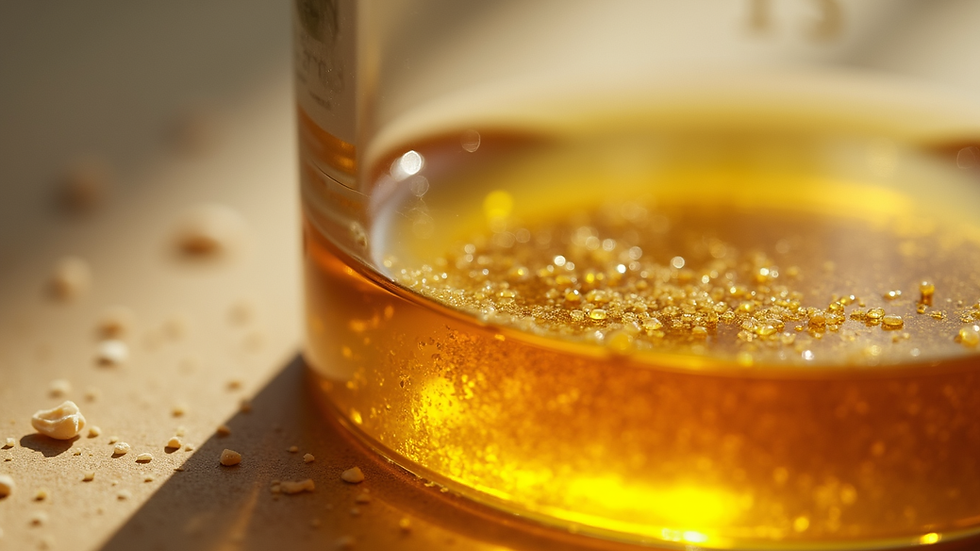
What does water in oil mean?
When water mixes with oil, it can exist in three forms: dissolved, emulsified, or free water. Each form affects the oil and equipment differently.
Dissolved Water: Water molecules are fully dissolved in the oil. This is usually not visible and can only be detected with sensitive instruments. It can reduce the oil’s dielectric strength and cause corrosion.
Emulsified Water: Water droplets are suspended in the oil, creating a milky appearance. This form is more harmful as it can cause sludge and deposits.
Free Water: Water separates and settles at the bottom of the oil reservoir. This is the most damaging form, leading to rust and accelerated wear.
Understanding these forms helps in choosing the right treatment method.
Common Causes of Water Contamination
Water can enter oil systems through various routes. Identifying the source is crucial for effective resolution.
Condensation: Temperature changes cause moisture in the air to condense inside oil reservoirs.
Leaks: Damaged seals, gaskets, or cracked components allow water ingress.
Maintenance Practices: Using contaminated tools or improper storage can introduce water.
Environmental Exposure: Outdoor equipment is more prone to rainwater or humidity contamination.
Process Failures: In some industrial processes, water may accidentally mix with oil.
By pinpointing the cause, you can implement targeted preventive measures.
Effective Methods to Remove Water from Oil
Once water contamination is detected, prompt action is necessary to protect equipment. Here are some practical solutions:
Centrifugal Separators: These devices spin the oil to separate water based on density differences.
Vacuum Dehydration: This method removes water by lowering pressure and heating the oil, causing water to evaporate.
Coalescers: Filters that combine small water droplets into larger ones for easier removal.
Absorbent Filters: Special filter media that absorb water from the oil.
Regular Oil Changes: In severe cases, replacing the oil may be the best option.
Implementing these methods depends on the contamination level and system design.

Preventing Water Contamination in Oil Systems
Prevention is always better than cure. Here are some steps to minimize water ingress:
Seal Integrity: Regularly inspect and maintain seals and gaskets.
Proper Storage: Store oils in dry, sealed containers away from moisture.
Use Breathable Vents: Install vents with desiccant breathers to reduce condensation.
Routine Monitoring: Schedule regular water content checks using reliable detection methods.
Training Staff: Educate maintenance teams on best practices to avoid contamination.
By adopting these measures, you can extend equipment life and reduce downtime.
Final Thoughts on Managing Water Contamination
Addressing water contamination in oil is a critical part of maintaining industrial machinery. Early detection combined with effective removal techniques can prevent costly repairs and improve operational efficiency. Using advanced filtration and dehydration technologies, like those offered by TrioInc, ensures your oil remains clean and your equipment runs smoothly. Remember, consistent monitoring and preventive maintenance are your best tools against water-related oil issues.
For more detailed information on how to identify and resolve water in oil problems, consider consulting with filtration experts who specialize in industrial oil purification.
By following these guidelines, you can safeguard your machinery and optimize performance through effective water in oil detection and management.


Comments